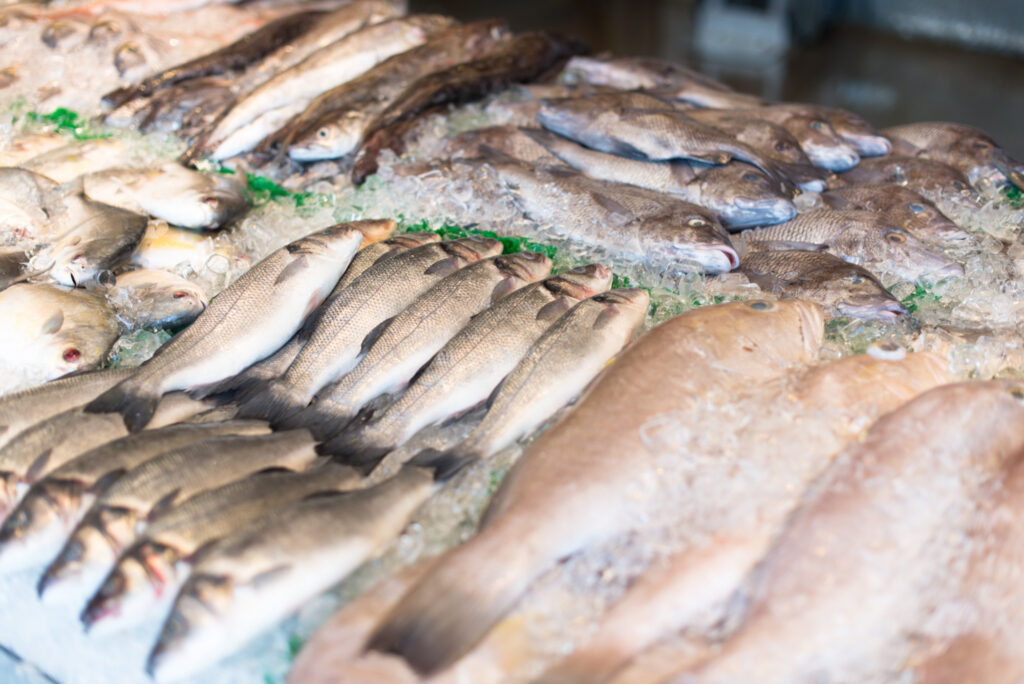
Anisakis is a microscopic parasite that, although invisible to the naked eye when it is in the larval stage, can become a very visible problem in our health. In recent years, health authorities have insisted on the importance of knowing which species are most at risk of being infected and how to prevent its transmission.
A recent report published in Noticias de Navarra once again puts the spotlight on this issue, and with good reason: the data are clear and worrying.
Which fish have more anisakis?
According to the Spanish Society of General and Family Physicians (SEMG), there are five marine species that stand out for their high probability of being parasitized:
- Hake: up to 95% of the specimens analyzed may contain anisakis.
- Mackerel: with an 85% probability.
- Horse mackerel: about 50%.
- Anchovies: widely consumed in raw preparations such as anchovies in vinegar.
- Whiting: also presents a significant risk.
The presence of the parasite does not depend on whether the fish is more or less fresh, but on whether it has been previously frozen or cooked. It is important to remember that anisakis does not survive temperatures above 60 °C for at least one minute or a five-day home freezing at -20 °C.
What effects can it cause?
When raw or undercooked infected fish are consumed, the parasite can cause an infection called anisakiasis, with symptoms ranging from abdominal pain and nausea to severe allergic reactions. Although not usually fatal, it can cause uncomfortable and, in some cases, persistent clinical pictures.
How to reduce the risk?
The Spanish Agency for Food Safety and Nutrition (AESAN) recommends:
- Buy clean and gutted fish.
- If it comes whole, eviscerate it as soon as possible.
- Cook the fish thoroughly or freeze it if it is to be consumed raw.
- Pay attention in restaurants and bars: since 2007 they are obliged to indicate if the fish has been previously frozen to eliminate anisakis.
An environmental problem
Although the risk to the final consumer is well identified, how this parasite is maintained and reproduced in the marine environment is not always discussed. An important part of the anisakis biological cycle is fed by a common practice in fishing: the return of raw viscera to the sea, after cleaning the fish on board.
This is where technologies such as Tedepad come into their own, as they make it possible to treat viscera directly on the ship, destroying the parasites before the entrails return to the marine ecosystem. This not only reduces the risk of reinfection of other species, but also helps to stop the spread of anisakis at its source.
In short, consuming fish is still safe and healthy, as long as minimum standards of handling and preparation are respected. But it is also worth looking a little further: fishing habits and the treatment of marine waste are also part of the solution to a problem that affects both our health and the balance of ecosystems.