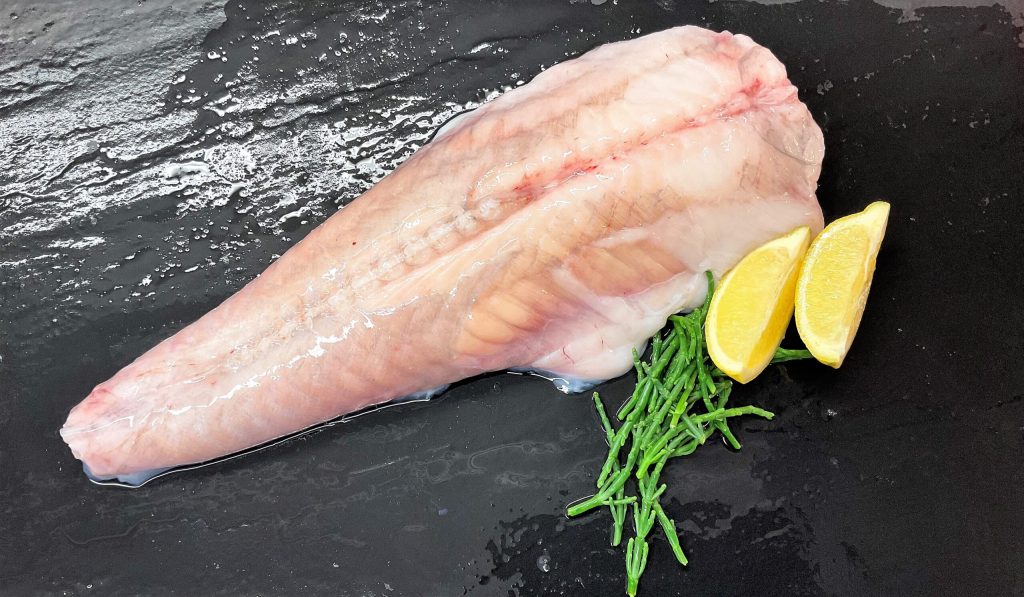
Anisakis, a parasite that is increasingly present in fish from our seas, continues to generate concern among consumers and raises questions about food safety in restaurants and homes. Recently, a diner recounted his experience in a restaurant, where a baked monkfish arrived at the table accompanied by this nematode, visibly present in the dish.
Although the fish was cooked and therefore the risk of infection was low, the reaction of the establishment left much to be desired. According to the customer, no apologies or clear explanations were offered regarding safety measures in the preparation of the fish. The situation worsened when a dish of rice with raw monkfish was served, whose frozen provenance was hastily justified by the staff, undermining confidence in the place.
Why do we continue to consume fish susceptible to anisakis?
The Spanish Agency for Food Safety and Nutrition (AESAN) assures that consuming fish is safe and healthy, as long as the appropriate recommendations are followed:
- Freeze fish for at least 5 days at -20 °C in 3-star freezers or higher.
- Cook the fish at an internal temperature of 60 °C for at least 1 minute.
However, the increasing incidence of anisakiasis, a disease caused by the ingestion of live anisakis, is evidence that the parasite remains a global problem. In Spain, fish passing through the sea (even river species) are susceptible to contamination, and chefs should carefully check the viscera and loins to eliminate possible larvae.
A problem of trust and manipulation
Anisakis poses not only a health challenge, but also a challenge to consumer confidence. Experiences such as that of the contaminated monkfish reveal the importance of proper fish handling and, above all, of clear and responsible communication by restaurants.
Any establishment that serves fish has the obligation to guarantee food safety, but also to maintain a relationship of trust with its customers, offering transparent information and quick solutions to any incident.
The importance of acting at source: the treatment of viscera on the high seas
One of the factors that has contributed to the increased presence of anisakis in the oceans is the common practice of gutting fish at sea and returning the viscera to the water without any prior treatment. These viscera, which often contain anisakis larvae, are consumed by other fish and marine mammals, which accelerates the propagation cycle of the parasite.
Reducing the presence of anisakis in the oceans involves implementing stricter measures on fishing vessels. This includes treating the viscera before returning it to the sea, using technologies that inactivate the larvae, or storing it properly until it reaches land, where it can be safely processed. These actions would not only reduce the parasitic load in the marine ecosystem, but also contribute to a more sustainable and safer fishery.
Is it worth the risk?
Despite the risks, fish consumption remains an essential source of nutrients and health benefits. However, this situation invites us to reflect: are we willing to take this risk? The answer will depend on our confidence in the supply chain, in restaurant kitchens and in our own food preparation.
With proper precautions and a responsible approach from the source, we can still enjoy the taste and benefits of fish without fear of unwanted guests on our plate.