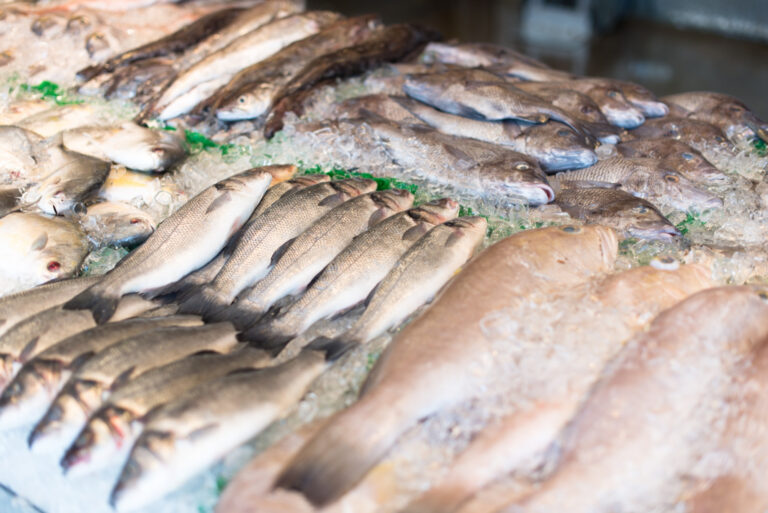
A recent study conducted by physicians in Spain has raised alarms about a possible link between anisakis, a parasite common in raw fish and shellfish, and the development of colon cancer. Although the findings are preliminary, this connection opens up a new line of research into the risks associated with the consumption of food contaminated by this parasite.
What is anisakis and how does it affect health?
Anisakis is a parasite found in fish and shellfish that can cause anisakiasis, a disease that generates symptoms such as abdominal pain, nausea and vomiting after consumption of infected food. However, the new study suggests that the proteins released by anisakis when it invades the human body could trigger chronic inflammation in the intestine, a known risk factor in the development of colon cancer.
A new public health concern
Experts warn that this intestinal inflammation, sustained over time, could be behind some cases of colon cancer. “Although a direct causal relationship has not yet been established, the initial data are worrisome and warrant attention,” the researchers said.
In countries such as Spain, where fish and seafood are fundamental in the diet, the finding highlights the need to take extreme precautions when handling and consuming these foods.
The role of viscera in the propagation of anisakis
A critical aspect related to anisakis is the treatment of fish viscera. Many fish processed in the industry or even in small stores have their viscera removed before reaching the consumer. However, if these viscera are discarded at sea without proper treatment, they become a direct source of infection for other fish, as they contain anisakis larvae.
It is essential to implement measures to ensure that viscera are properly treated before disposal, either by freezing or thermal destruction. This could reduce the spread of the parasite in marine ecosystems and thus minimize the risk of infection in both humans and the food chain.
Research in progress
The study on anisakis and its relationship to colon cancer is a warning of how less obvious factors can impact our health. While research is still ongoing, these early results underscore the importance of taking preventive measures to avoid exposure to the parasite.
The researchers urge the public to continue to be informed and to adopt safe habits in food handling and consumption. They also stress the importance of establishing clear regulations on the treatment of fish waste to protect both public health and the balance of marine ecosystems.
For the time being, extreme caution when consuming fish and shellfish and ensuring responsible waste management is the best strategy to reduce the risks associated with anisakis.