Anisakis is a parasite that can be found in some fish and cephalopods, and its consumption without proper preparation can cause health problems. In Spain, where fish consumption is common, it is important to know how to prevent and treat anisakiasis.
What is anisakis?
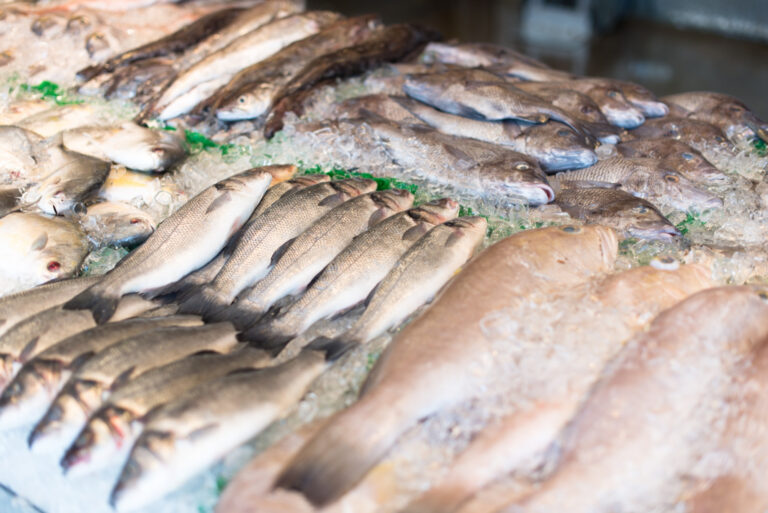
Anisakis is an approximately 2-centimeter worm that lives in the viscera and muscles of fish and cephalopods. By consuming raw or undercooked fish containing this parasite, the larvae can lodge in the human digestive tract, causing anisakiasis.
How is it contracted?
The main route of infection is the ingestion of raw or undercooked fish containing anisakis larvae. Dishes such as sushi, ceviche, anchovies in vinegar or marinated fish are common in the Spanish diet and can be sources of infection if they have not been properly frozen before preparation.
Symptoms of anisakiasis
Symptoms usually appear between 4 and 70 hours after ingestion and include.
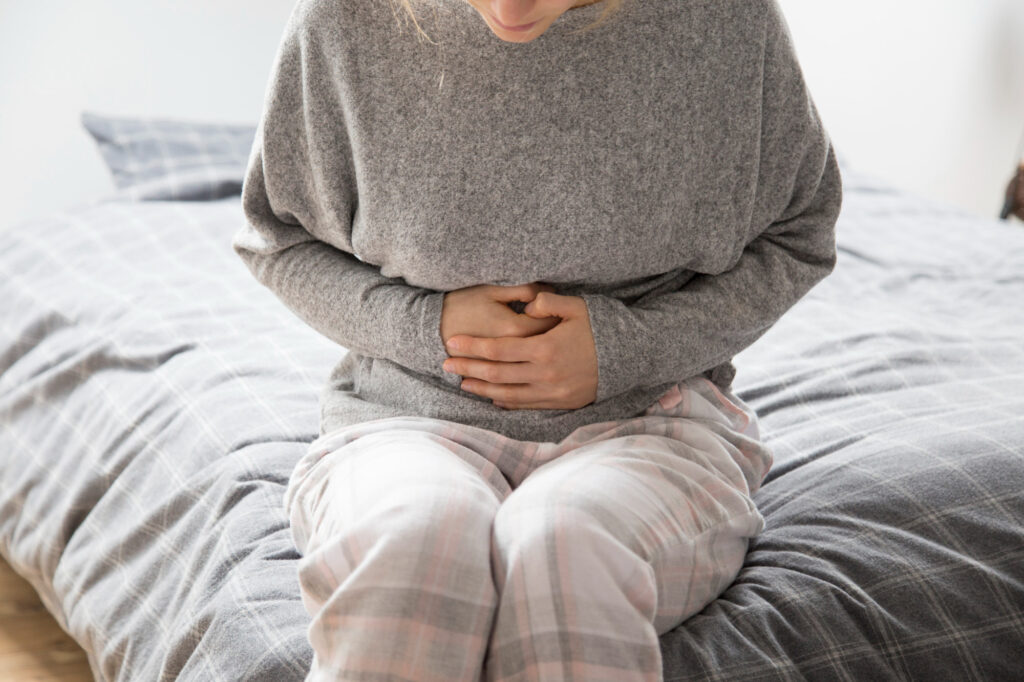
- Severe, sharp abdominal pain
- Nausea and vomiting.
- Diarrhea and fever.
- Allergic reactions such as hives, swelling of the face or, in severe cases, anaphylaxis.
It is important to note that not all people who ingest anisakis have symptoms; some may be asymptomatic or experience mild discomfort.
Diagnosis and treatment
If anisakiasis is suspected, it is essential to see a doctor. Diagnosis may include.
- Blood tests to detect specific antibodies.
- Skin tests such as Prick-Test to identify allergic reactions.
- Endoscopy to locate and remove larvae if present in the digestive tract.
Treatment will depend on the severity of the symptoms. In mild cases, symptoms may resolve without medical intervention, while in more severe situations, removal of the larvae and administration of medications to control allergic reactions may be necessary.
Prevention
To avoid anisakiasis, it is recommended:
- Cook fish at temperatures above 60 °C for at least one minute.
- Freeze fish at -20 °C for a minimum of 5 days if it is to be consumed raw or undercooked.
- Buy clean fish without guts, as larvae are usually found in these parts.
At
Contact us to learn how our technology can help you protect your production and take care of the ecosystem.